
Resources
Colonic vs Enema vs Coffee Enema: What's the Difference?
Reviewed by our qualified colonic hydrotherapists , naturopaths and allied health practitioners, including ATMS, ANTA and MAA members
Published · Last updated
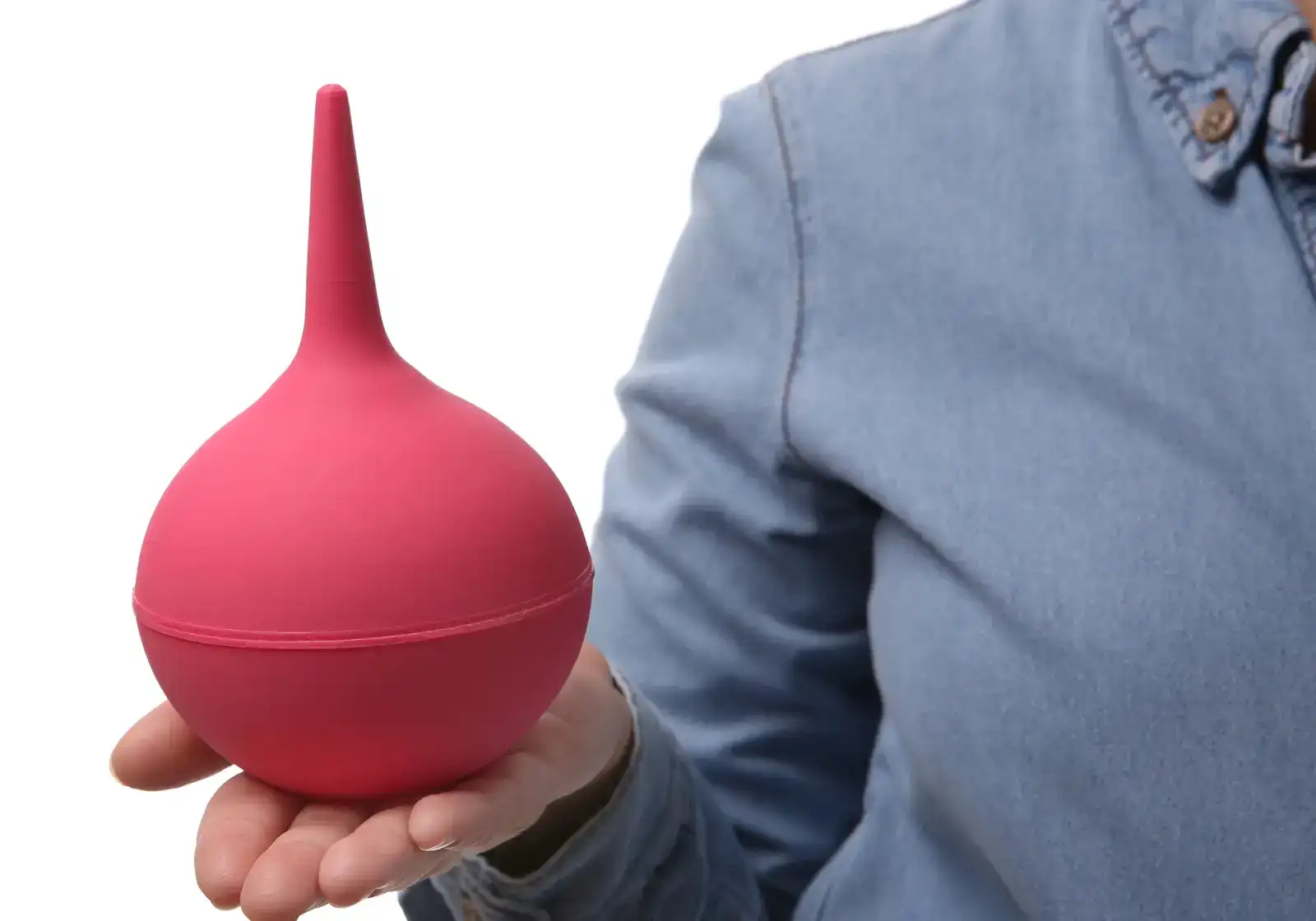
These three get discussed as though they’re the same treatment at different intensities. They’re not. They differ in how far they reach, how much fluid is involved, and what they’re actually trying to do. If you are still working out what the first one even is, start with what a colon cleanse involves.
Here’s a straight comparison, including where we’d tell you not to bother with us.
The short version
| Colonic | Enema | Coffee enema | |
|---|---|---|---|
| Reaches | Full colon, ~1.5m | Rectum and sigmoid | Rectum and sigmoid |
| Fluid | 40–60L in cycles | Under 1L | Around 1L, held |
| Who does it | Practitioner | Yourself, at home | Yourself, at home |
| Takes | 30–40 min + ensuite | 10–20 min | 12–15 min holding |
| Cost | $150 a session | A few dollars | A few dollars |
| Aimed at | Full-length clearing | Lower-bowel relief | Bile flow, liver |
Colonic hydrotherapy
Warm filtered water cycles through the entire colon in repeated fills and releases, guided by a practitioner who adjusts flow, pressure and temperature and can see what’s passing through the viewing line.
What it’s good for: a thorough, full-length clear-out; long-standing constipation and sluggish transit; situations where you want screening and professional supervision rather than guesswork.
What it costs you: money, and an appointment. It’s the most expensive of the three by a wide margin.
The honest limitation: the depth advantage is real, but it isn’t magic. It clears the colon. It doesn’t detoxify your blood, and it won’t fix a cause that sits outside the bowel.
Enemas
A small volume of fluid, usually under a litre, introduced at home and released after a short hold. It reaches the rectum and sigmoid colon only, roughly the last portion of the bowel.
What it’s good for: occasional constipation, short-term relief, and doing something immediately without booking anything. It’s cheap and, done sensibly with clean equipment, low-risk.
The limitation: it isn’t reaching most of your colon, there’s no practitioner watching, and nothing is being screened. For a one-off blockage that’s fine. For a recurring problem, you’re treating the same symptom repeatedly without anyone asking why it recurs.
We’d genuinely rather you try this first if your situation is occasional constipation and nothing more. It’s cheaper, and if it resolves things you don’t need us.
Coffee enemas
An enema using cooled, brewed organic coffee, typically held for 12 to 15 minutes. It reaches the same lower portion of the bowel as a plain enema, not further.
The rationale is different from clearing waste. The claim is that caffeine absorbed through the bowel wall stimulates bile flow and liver enzyme activity, supporting the liver’s own processing.
Where the evidence sits: limited. There’s a plausible mechanism and a lot of enthusiasm, but the clinical evidence for the liver-specific benefits is thin, and mainstream medical sources don’t endorse it. We’d describe it as commonly reported rather than demonstrated.
So which one?
Occasional constipation, nothing more. Water, fibre, movement first. Then a simple enema at home if you want faster relief. Don’t spend $150 on us for this.
Persistent constipation, bloating or sluggish digestion. A colonic gives full-length reach plus screening, and the screening matters, because persistent symptoms sometimes have causes that need diagnosing rather than flushing.
Specifically interested in liver support. A coffee infusion during a supervised colonic addresses the same idea with temperature regulated by equipment rather than by you guessing, and a practitioner present. It’s $30 as an add-on, and we don’t offer it at a first visit. We want to see how you respond to a standard session first.
Anything undiagnosed. None of the three. New changes in bowel habit, rectal bleeding, unexplained weight loss and persistent pain all need a diagnosis, and no amount of irrigation substitutes for one. Tell us and we’ll refer you rather than book you in.
What about laxatives?
Different mechanism again. Stimulant laxatives chemically force the bowel wall to contract, rather than softening and carrying away what’s there.
They have a legitimate place for short-term or GP-directed use. But unlike water-based irrigation, prolonged daily use of stimulants can reduce the bowel’s natural responsiveness, which is the origin of the “colonics are habit-forming” myth. The concern is real; it’s just attached to the wrong treatment.
Our position
We sell colonics, so treat this section with appropriate suspicion, but we’d rather be straight with you.
A colonic is the most thorough of the three and the only one with professional oversight built in. It’s also the most expensive, and for a simple one-off constipation problem it’s more than you need.
What it’s genuinely better at is persistent problems, where reach, screening and someone actually looking at what’s happening are worth paying for.
If you’re not sure which side of that line you’re on, ring us on 03 9388 0080 and ask. We’ll tell you if you don’t need an appointment.
Frequently asked questions
What is the difference between a colonic and an enema?
Reach and scale. A colonic clears the full length of the colon, around 1.5 metres, using 40 to 60 litres cycled through by a practitioner over 30 to 40 minutes. An enema is self-administered at home, uses under a litre, and only reaches the rectum and sigmoid colon, the lower portion.
Is a coffee enema better than a colonic?
They're aimed at different things rather than being stronger or weaker versions of each other. A coffee enema is intended to stimulate bile flow from the liver and reaches only the lower colon. A colonic is about clearing the full length of the colon. Evidence for the coffee-specific liver claims is limited, and coffee enemas carry documented risks when done incorrectly at home.
Are coffee enemas safe to do at home?
They carry more risk than a plain-water enema. If it's coffee you're interested in, a coffee infusion during a colonic here addresses the same idea, with the temperature set by the equipment and a practitioner in the room throughout.
Can I just use laxatives instead?
Laxatives work by a different mechanism again, stimulant types chemically force the bowel wall to contract. They have a legitimate short-term and GP-directed role, but prolonged daily use of stimulant laxatives can reduce the bowel's natural responsiveness, which is not true of water-based irrigation.
Which one should I choose?
For occasional constipation at home, a simple enema is inexpensive and reasonable. For a full-length clear-out with professional supervision, screening and real-time adjustment, a colonic. If your interest is specifically liver support, a coffee infusion during a supervised colonic means a trained practitioner controls the temperature, concentration and volume, none of which is checked when you do a coffee enema alone at home.
Ready to book your appointment?
No referral needed. Book online 24/7, or call reception.
Still weighing it up?