
Colonic Hydrotherapy: Understanding the Safety Aspects
Colonic hydrotherapy—commonly referred to as colonics—involves gently introducing warm, filtered water into the colon to flush out waste, gas, and accumulated toxins.
While this treatment has gained popularity for its potential to support digestive health and detoxification, it’s critical to understand that not all colonics are equal in terms of safety. The method used—and more importantly, the level of professional oversight—influences not only the effectiveness of the treatment but also the risks involved.


Understanding Safe Colonic Procedures:
Closed vs Open Systems
In a properly conducted colonic, warm, sterile water is gently introduced via the rectum and slowly fills the colon to soften waste and stimulate natural peristalsis (muscle contractions of the bowel).
The key difference that affects safety is whether the procedure is administered using a Closed Colonic System or an Open Colonic System.
With a Closed Colonic System, the client is attended to by a qualified and experienced colonic hydrotherapist throughout the entire procedure.
This hands-on approach means your comfort, hydration levels, and body’s response are continuously monitored.
Your practitioner will also tailor the treatment in real time—adjusting water temperature and pressure as needed, assisting with abdominal massage, and interpreting what is being released. This level of support makes the procedure safer, more thorough, and far more informative.
In contrast, an Open Colonic System is essentially a DIY experience. Clients are often left alone, asked to insert a fixed rectal speculum themselves, and expected to manage the session with minimal supervision—sometimes with just a buzzer in case of distress.
It assumes the patient knows how to recognise warning signs or respond appropriately if something feels off, which is a big assumption when you consider that the colon is a complex and sensitive organ.
For first-time users or those with underlying health issues, this lack of professional support can turn what should be a restorative process into a risky one.
The reality is this: the safety of colonic hydrotherapy doesn’t come down to just the water—it comes down to who’s guiding the process, how thoroughly you’re screened beforehand, and how responsive your care is during the session.
Closed colonics offer these safeguards; open systems simply don’t.
If you care about your safety, outcomes, and experience, choose a practitioner-led, closed colonic system—where your health is in qualified hands from start to finish.
Potential Risks and Concerns
Why Closed Colonics Are the Safer Choice
While colonic hydrotherapy can be beneficial when carried out correctly, it’s vital to understand that, like any health treatment, it carries potential risks—especially when improperly administered. These risks are drastically reduced when the procedure is performed by a qualified professional using a Closed Colonic System.
Improper sterilisation and poor hygiene protocols can lead to bacterial infections—something no client should ever be exposed to. In our clinic, where we exclusively use a Closed Colonic System, hygiene is built into every step of the process. All tools that come into contact with the body—including the rectal speculum—are single-use and disposable.
Filtered, sterilised, temperature-regulated water is introduced into the body through one tube, and waste exits through a completely separate tube—directly into a sealed, enclosed colonic machine that feeds into the sewage system. There is no exposure to open air, no odour, no splashback, and no risk of cross-contamination.
By contrast, an Open Colonic System allows waste to exit directly into a shallow catchment area built into the treatment table—essentially an open sewer. These catchment areas are non-disposable and used by all clients. Even with the best intentions, the cleaning required between sessions is extensive and highly prone to error. In some centres, the person receiving the treatment is expected to clean the table themselves.
We find this not only unhygienic, but unacceptable.
In the event of leakage in a closed system, protective medical-grade sheets (“blueys”) are used, and hospital-grade disinfection is carried out by professionals—not left to guesswork or shortcuts. Infection risk skyrockets when hygiene protocols are poor. A closed system, managed by a trained therapist, ensures infection prevention is built into the process—not treated as an afterthought.
Although rare, bowel perforation is a serious risk—and one that increases in a DIY open system. In Open Colonic setups, the speculum is rigid and permanently fixed to the table. The patient is expected to self-insert, often without adequate training or understanding of correct angling. Any deviation from the natural curve of the rectum can lead to abrasion, trauma, or worse.
In a Closed Colonic System, insertion is always performed by a qualified therapist. The speculum is separate and gently introduced by hand, lubricated, and carefully angled according to each individual’s anatomy.
If the patient experiences discomfort at any point, the practitioner adjusts accordingly—something that simply isn’t possible in unsupervised open systems.
Would a gastroenterologist ever ask a patient to insert their own rectal device before a colonoscopy? Of course not. The same standard should apply here. When it comes to your colon, guessing isn’t good enough.
One of the potential risks of excessive colon cleansing is the disturbance of the body’s natural electrolyte balance. This can lead to dehydration, fatigue, or more serious complications. However, under the care of a trained colonic hydrotherapist using a Closed System, this risk is greatly minimised.
In a properly monitored session, your practitioner gathers your medical history, engages in real-time communication during the procedure, and closely observes your physical and verbal cues.
These safeguards ensure that the treatment remains within safe parameters—something a DIY open system simply cannot guarantee.
If you have any pre-existing health concerns—such as digestive conditions, recent surgeries, or unexplained symptoms—it is critical that you consult a qualified health professional before undertaking any colonic therapy. At our clinic, detailed pre-screening and real-time monitoring are standard practice—not optional extras.
The bottom line?
Colonic hydrotherapy can be safe and effective—but only when performed with care, clinical oversight, and the right system. A Closed Colonic System delivers the gold standard in hygiene, safety, and professional support. Don’t settle for less. When it comes to your health, choose wisely.


Importance of Professional Oversight
The safety of colonic hydrotherapy significantly increases when conducted by certified and experienced practitioners. These professionals can:
Screen for Contraindications: Identify any health conditions that may make the procedure unsafe.
Monitor the Procedure: Adjust water pressure and temperature as needed, ensuring patient comfort and safety.
Provide Post-Procedure Guidance: Advise on what to expect after the session and when to seek medical attention if necessary.
In contrast, self-administered or unsupervised colonics can increase the risk of complications.
Colonic Contraindications to Consider
Certain health conditions may contraindicate the use of colonic hydrotherapy, including:
Severe Cardiac Disease
Uncontrolled Hypertension
Gastrointestinal Hemorrhage or Perforation
Severe Hemorrhoids
Cirrhosis of the Liver
Colon Cancer
Active Fissures and Fistulas
Pregnancy
Recent Abdominal Surgery
Kidney Disease
Diverticulitis
Ulcerative Colitis
Crohn’s Disease
It’s imperative to disclose your full medical history to the practitioner before undergoing the procedure. if this is not part of their processes best you endure a little embarrassment and walk away than undergo unnecessary risks.
Choose Local, Trusted Colonic Care
Colonic hydrotherapy can be a safe procedure when performed by qualified professionals who adhere to strict hygiene and safety protocols. However, it’s essential to diclose all your medical history during your initial consultation and continuously update them should anything change.
Our colonic hydrotherapists work closely with other health professionals such as a gastroenterologist as of ten they prep patients prior their colonoscopy. Having a collaborate approach and identifying red flags, and strict precedual protocols are essential to mitigate risks and as there are risks with every medical procedure there is not a single one without risks. So educate yourself before attending a colonic and choose wiesly especially if you have underlying complex or chronic health conditions.
For those considering colonic hydrotherapy, ensure that the clinic employs certified practitioners and conducts thorough pre-procedure screenings. Your health and safety should always be the top priority.

Book Your Colonic Appointment
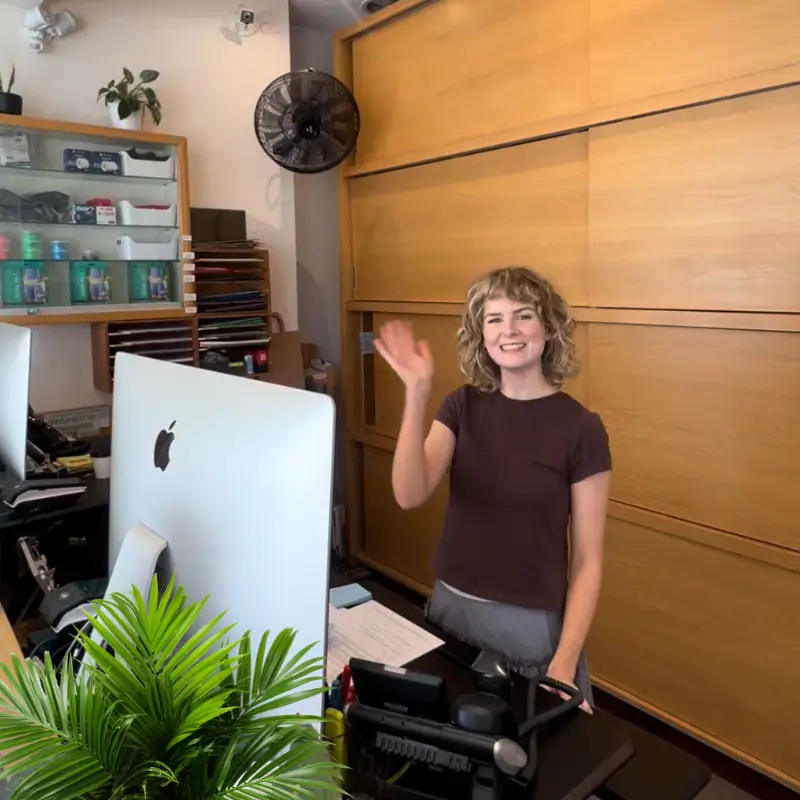
If you’re searching for a “colonic near me” in Brunswick or Melbourne’s inner north, we’re here to help. Our patients come from surrounding suburbs including Brunswick, Moonee Ponds, Essendon, Coburg, Parkville, Carlton North and beyond.
We’re proud to be part of a community that values real care, not a franchise feel.
You can book online or call our friendly front desk team.
We’re here to make your first experience smooth and welcoming.
Got Questions About Colonics?
You’re not the only one! We’ve answered the most common questions about colonic hydrotherapy, from what to expect to how safe it really is. We only use the closed colonic system, which is practitioner-led and hygienically sealed for your comfort and safety.